Helping an aging parent through a personal injury claim in Hartford
By Hannah Delgado · Updated 2026-07-08
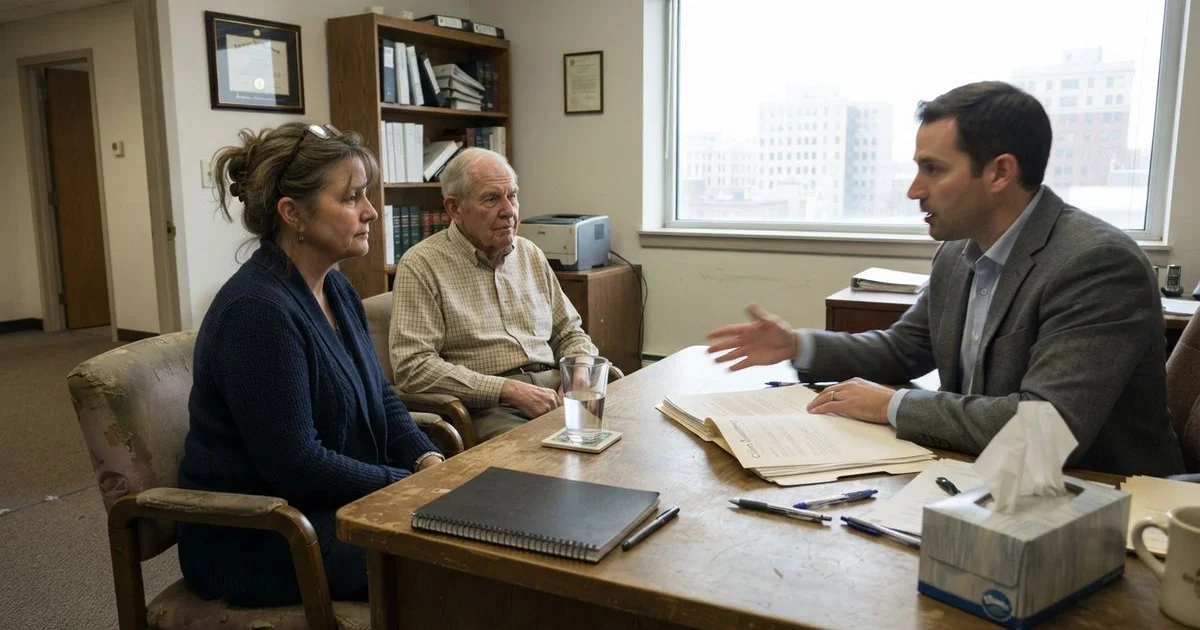
When a parent is hurt, whether from a fall, a car accident, or an injury at a care facility, it is common for an adult child to end up managing the practical side of a claim while the parent focuses on recovering. Doing this well means helping without accidentally taking over decisions that are still legally your parent’s to make.
What you can do without any special authorization
Help organize paperwork: medical bills, police or incident reports, insurance letters, and appointment notes. Sit in on calls or meetings if your parent wants you there for support. Help keep track of a timeline of what happened and when treatment occurred. Ask questions during a consultation on your parent’s behalf, even if the attorney’s answers and advice are directed to your parent.
Where the legal line is
An attorney representing your parent has a duty to communicate directly with your parent about their case, their options, and any settlement decisions, not with you, unless your parent has given you formal authority to act for them. This typically means a power of attorney document, or in more serious situations involving cognitive impairment, a court-appointed guardianship or conservatorship. Without one of these, well-meaning involvement can accidentally slow things down if an attorney has to pause to confirm your parent’s own wishes separately.
| Your role | What it requires |
|---|---|
| Helping organize documents and asking questions | No formal authorization needed |
| Making decisions about settlement or strategy | Requires power of attorney or guardianship |
| Signing legal documents on your parent’s behalf | Requires formal legal authority |
If a fall happened at a care facility
If your parent was injured at a nursing home or assisted living facility, that involves additional questions around the facility’s responsibility for supervision, staffing, and maintenance, beyond a typical fall on private or public property. Mention the setting clearly and early when speaking with an attorney, since these cases are evaluated somewhat differently than a general slip and fall.
If cognitive changes are part of the picture
Some falls, particularly head injuries, can affect memory or decision-making, temporarily or longer term. If this is a concern, raise it directly with the attorney early on. It may affect not just the medical side of the claim, but also whether a guardianship or conservatorship needs to be established so someone can make decisions if your parent is not able to.
Coordinating between doctors and the attorney
A big part of the practical help in these situations is logistics: keeping track of which doctors your parent has seen, what each one said, and making sure records get to the attorney’s office without gaps. A missed appointment or a specialist visit that never gets reported to the attorney can leave a hole in the medical record that is harder to fill in later. Setting up a simple shared list, even a basic notebook or shared document, of every appointment and what was discussed can save real time down the line.
When to start the guardianship conversation
If cognitive changes are significant enough that your parent cannot reliably communicate their own wishes about the case, starting the conversation about guardianship or conservatorship sooner rather than later is usually better, even though it can feel like a difficult step to bring up. Courts generally look for clear evidence, often including medical documentation, before granting this kind of authority, and starting the process early avoids a situation where an active claim stalls while the legal authority to make decisions gets sorted out.
Keeping the relationship with your parent steady
It is easy, with good intentions, to start speaking for your parent instead of with them. Where possible, let your parent answer questions directly, even slowly, and step in mainly to help organize information or ask a clarifying question. This keeps them at the center of decisions about their own case, which most people, at any age, want to hold onto. If a parent’s injuries turn out to be fatal, the practical and legal steps change considerably; our guide to wrongful death claims in Connecticut covers what that process involves for families.
This is general information, not legal advice. Guardianship, power of attorney, and case specifics vary; a Connecticut attorney can advise on the right approach for your family’s situation.
See our full directory of personal injury attorneys, or read our methodology for how listings are evaluated.
FAQ
- Can I legally handle my parent's injury claim for them?
- Only with their authorization, typically through a power of attorney, or if a court has appointed you as a legal guardian or conservator. Without one of these, an attorney generally needs to communicate directly with your parent.
- What if my parent has memory or cognitive issues after a fall?
- This is worth raising directly with the attorney. Depending on severity, a family member may need to pursue guardianship or conservatorship to make decisions on their behalf.
- How can I help without taking over completely?
- Sit in on calls if your parent wants you there, help organize paperwork and medical records, and ask questions on their behalf, while still letting the attorney communicate directly with your parent about decisions.
- Should I be worried about a nursing home injury specifically?
- Falls and injuries at nursing homes or assisted living facilities involve additional considerations around facility responsibility, so mention the setting clearly when speaking with an attorney.